
The Passion Behind Nutrition
Nutritionist Ujjwala discovered her passion for food and wellness when she saw how deeply food influences health and healing. Though her journey began with academic excellence in nutrition studies, it became more personal when she witnessed her mother experimenting with supplements instead of whole foods. This experience shaped her philosophy: real food over supplements.
For Ujjwala, food is more than fuel—it’s a source of empowerment. She emphasizes that when nutrition becomes passion, it stops feeling like work and becomes a way of life.
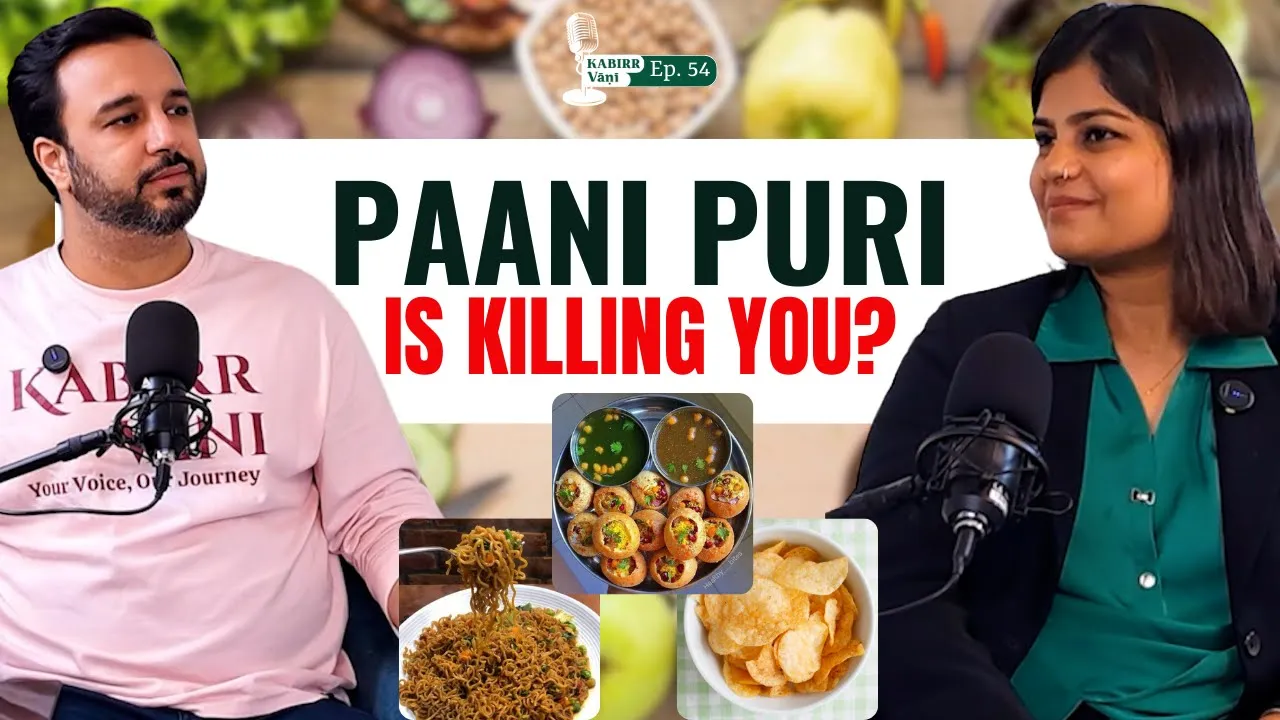
Lifestyle Diseases and Food Myths
One of the most common myths Ujjwala addresses is that skipping meals helps prevent diseases like diabetes. In reality, such habits often backfire, leading to binge eating at night and poor digestion. She explains that lifestyle diseases such as diabetes, hypertension, and obesity often stem from stress, poor eating habits, and mindless snacking, not simply from calories alone.
Carbs: Friends, Not Enemies
Indian diets are naturally rich in carbohydrates—from rice, roti, and dals to fruits and dairy. Ujjwala clarifies that eliminating carbs completely is neither possible nor healthy. The brain itself needs about 100 grams of carbs daily for optimal functioning. The key is balance: about 40% of daily intake should come from carbs, preferably whole grains, dals, vegetables, and fruits instead of refined sugar or processed foods.
Fiber: The Body’s Goalkeeper
Ujjwala calls fiber the “goalkeeper” of the body, preventing toxins and chemicals from harming the system. Fiber also aids digestion, prevents constipation, and supports gut health. She recommends:
- Eating whole grains and vegetables without peeling away fiber-rich skins
- Including 30–40 grams of fiber daily (30 g for women, 40 g for men)
- Pairing fiber with adequate water to prevent constipation
Fruits, Sugar, and Myths
While fruits are healthy, portion size and timing matter. Excess fruit can spike triglycerides and blood sugar levels, especially for those with diabetes. Ujjwala recommends:
2–5 portions of fruit daily, scattered through the day
Prefer fruits over juices to retain fiber
Use banana at night to aid sleep, as it contains tryptophan for serotonin production
Limit high glycemic fruits like mangoes, chiku, and grapes for diabetics
When it comes to sweets, she suggests replacing processed sugar with dates in moderation (2–3 a day) or natural alternatives like coconut sugar.
Healthy Snacking and Oils
India’s love for vada pav, pani puri, and fried foods often adds unnecessary oil and calories. Ujjwala explains:
Fried foods absorb excess oil, making them inflammatory
One vada pav contains up to 30 ml of oil—far above the daily limit of 3 teaspoons of fat
Instead, try air fryer snacks, baked alternatives, or homemade khakra with healthy flours and greens
For snacking habits, she advises choosing nuts, makhana, trail mixes, or homemade baked chips instead of packaged foods that often contain MSG, dyes, and preservatives.
Butter, Ghee, and Oils
Butter and ghee can be healthy when consumed in moderation. Homemade or white butter is better than salted, processed options. Ujjwala warns against industrial “olive oil butters” or “coconut oil butters,” which are often forms of trans fat and harmful for heart health.
Water, Hydration, and Coconut Water
Proper hydration is essential, but balance is key. Ujjwala recommends 3–3.5 liters of water daily, with variations like buttermilk, watermelon, and coconut water. Coconut water is excellent for electrolytes but should be avoided in excess by diabetics due to natural sugars.
Mindful Eating and Listening to Your Body
Ujjwala emphasizes mindful eating—being present with your food rather than distracted by screens. Listening to the body helps identify intolerances, cravings, and digestive cues. As she puts it, “The right food can fix your problems; the wrong food can multiply them.”
Final Takeaway
From balancing carbs and fiber to choosing nuts over packaged snacks, Ujjwala’s advice highlights that nutrition is about awareness, moderation, and mindful choices. Food can heal or harm, and the decision lies in how consciously we eat every day.
You can listen to the full conversation with Ujjwala Baxi on the Kabir Vani Podcast, available on Spotify, Apple Podcasts, and Amazon Prime Music.
Connect with Ujjwala Baxi:
✅ Instagram
✅ WhatsApp
✅ http://www.dietitianujjwala.com/ 🔗