
“Ustad Ji” unmasked: Indresh Malik on craft, courage and choosing with intention
Heeramandi gave India a gallery of unforgettable characters—and “Ustad Ji” is right up there. In this candid conversation, actor Indresh Malik (a.k.a. Ustad Ji) traces his path from theatre to screen, how a 22-day shoot grew into a two-year journey, and why surrendering to a director’s vision can unlock your best work. Along the way, he shares his take on spirituality, family, and what it really takes to stay balanced when the spotlight gets brighter.
Indresh Malik—actor, entrepreneur, and the force behind Heeramandi’s Ustad Ji—has worked with Sanjay Leela Bhansali on Gangubai Kathiawadi and Heeramandi, earning widespread acclaim for his nuanced performance.
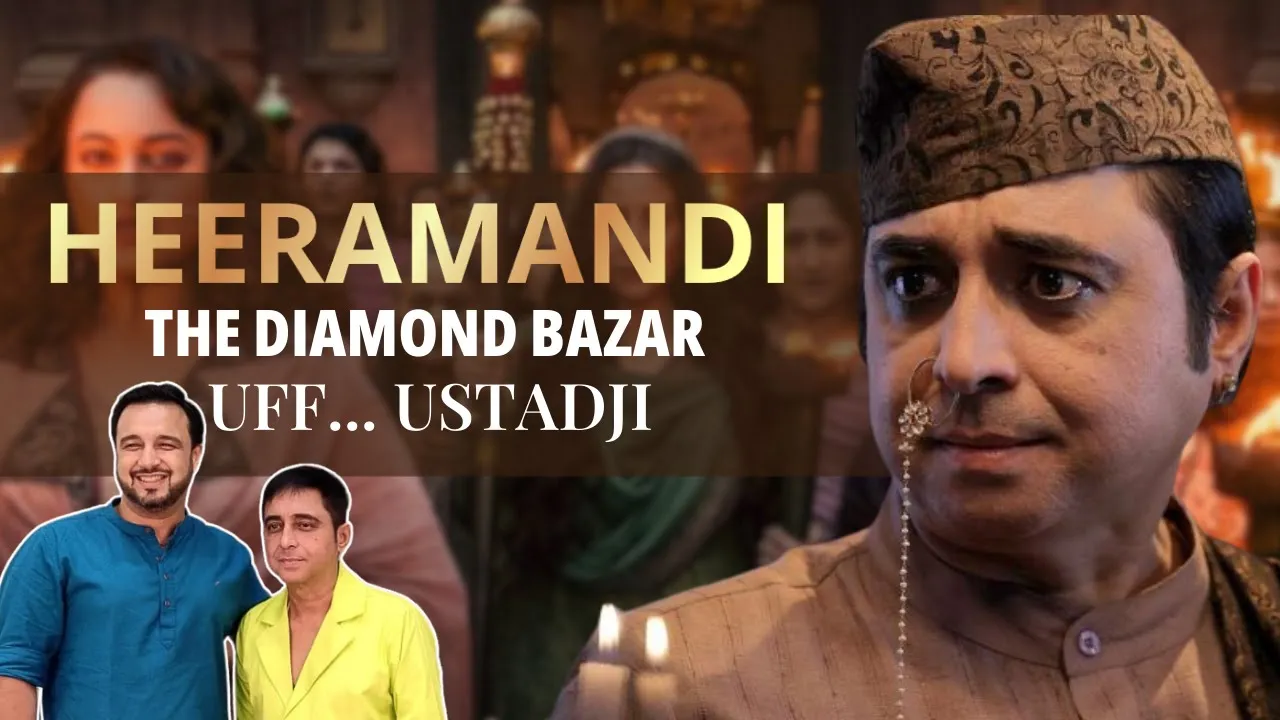
The calling: “Since I can remember, I wanted to perform”
Malik grew up drawn to dance, music, poetry, cooking, and all things creative—anything that took him closer to nature and expression.
Though he isn’t “camera-trained,” theatre laid his foundation. His first significant TV break came with “12/24 Karol Bagh” in Delhi, which opened doors and led to awards and recognition.
Quick tip (for aspiring actors): Follow the pull. If you find yourself making, moving, writing, cooking—keep doing it. Your “portfolio” is the life you live creatively.
Manifesting Ustad Ji: intuition, not overconfidence
When the brief for Heeramandi came, a bell rang—his word for a gut yes. It wasn’t swagger, it was clarity.
He studied the bound script, did the homework, and asked, “22 days—how will this be done?”
What began as a 22-day contract evolved into expanded scenes and a much larger arc, stretching to nearly two years (with natural breaks).
Myth vs Fact
Myth: Big parts arrive only through long auditions.
Fact: A sharp brief + aligned intuition + discipline can expand what’s on paper into something bigger on screen.
Working with SLB: surrender, precision, and earned trust
Malik calls Sanjay Leela Bhansali a “genius with a unique vision.” The process:
No fear, no fanboy freeze: he moved from awe to honest collaboration.
Ask questions: he sat with SLB, asked “300 questions,” and listened.
Improv within the vision: a line tweak—using “Rakkasa”—was accepted because it served the world and the moment.
Perfection with love: SLB’s eye is micro-precise (“why is that curtain moving?”), but it’s always in service of the picture.
Takeaway for creators: Surrender to the vision once you commit. Bring ideas, but protect tone and world first. That’s how trust is built.
Playing Ustad Ji: layers without cliché
Ustad Ji carries humor, hurt, softness, and shadow—Malik kept the portrayal honest, never leaning on stereotype.
A much-loved transformation beat (the nose ring moment) landed because he stayed emotionally present, even crying after a long take.
He embraced his natural vocal texture and let it live inside the character rather than “putting on” mannerisms.
Craft note: Authenticity > affectation. If the moment is true, the audience feels it—no labels required.
Spirituality, peace of mind, and analog choices
For Malik, spirituality = peace of mind. In a world buzzing with notifications:
Smile on purpose. Laughter is costly these days—pay it to yourself first.
Use tech intentionally. Keep the phone off your head 24/7.
Write by hand. A diary and pen slow you down just enough to think clearly.
Old-school ease. From sun-drying chilies to reading the paper—simple rituals anchor the mind.
Try this (at home):
Analog time block: 20–30 minutes a day with pen + notebook. No screens.
Smile cue: Choose a daily trigger (first tea/coffee). Smile—then sip. It changes the body’s chemistry before the day’s chaos begins.
Work–life: credit the partner, honor the balance
Malik calls himself “blessed” with a supportive life partner—an entrepreneur who told him 15 years back to follow his passion and handled the home and businesses when schedules got erratic.
Real balance here is teamwork: share the season you’re in, keep communication open, and give credit generously.
Choosing the next role: no repeats, new rungs
He won’t repeat Ustad-like roles just because they’re popular.
Dream pick? A Punjabi poet from the eras of Bulleh Shah or Waris Shah—culture-rich, language-first storytelling.
Tip for actors: Say no to shallow repeats. Stretch your ladder with new rungs—genres, languages, setups.
Numbers & benchmarks from the chat
22 days initially contracted → expanded significantly through performance and fit.
Two projects with SLB so far (Gangubai cameo + Heeramandi), and an open heart for more.
Fast FAQs
Q1: How did Indresh Malik land Ustad Ji?
A strong brief, intuitive alignment, homework on the bound script—and showing up fully. The part grew with trust.
Q2: What’s it like working with SLB?
Precise, immersive, exacting—and loving. Bring ideas, but honor the vision. That’s how improvisations get accepted.
Q3: How does he prepare emotionally for intense scenes?
By staying present instead of performing a “type.” When truth hits, the body responds—sometimes with tears, even after the cut.
Q4: Will he do similar roles again?
Generally no—unless there’s a truly special reason. He prefers new challenges.
Q5: What keeps him grounded?
A spiritual, analog routine (journaling, limited phone use), family support, and a commitment to peace of mind.
Final Takeaway
Trust your gut, honor the vision, and do the simple things that keep you human. That’s how 22 days can turn into a role people remember.
Soft CTA: If this conversation inspired you, follow for more deep-dive chats with the artists shaping Indian storytelling.
FAQ
1) Who is the guest?
Indresh Malik, the actor behind “Ustad Ji” in Heeramandi, known for layered performances and an intuitive approach to craft.
2) What’s the one lesson he swears by on set?
Surrender to the director’s vision, then add value through thoughtful, in-world improvisation.
3) How does he define spirituality?
Peace of mind. Practically: smile by choice, write by hand, and keep tech in its place.
4) Will he reprise similar characters?
He prefers fresh territory—unless a project offers something truly exceptional.
5) Dream role ahead?
A Punjabi poet from a classical era—rich language, deep culture.
Final Thoughts
Enjoyed this episode? Subscribe for more conversations with the artists behind India’s most talked-about shows and films. Share this with a fellow Heeramandi fan!
You can listen to the full conversation with Indresh Malik on the Kabir Vani Podcast, available on Spotify, Apple Podcasts, and Amazon Prime Music.