
In today’s world, communication skills are often misunderstood as mere fluency in English or having a polished accent. But true communication goes far beyond words — it is about expressing emotions with clarity, honesty, and empathy. As communication coach Anamika Shukla explains in her conversation on the Kabirr Vani Podcast, the essence of impactful communication lies not only in what you say, but how you say it.
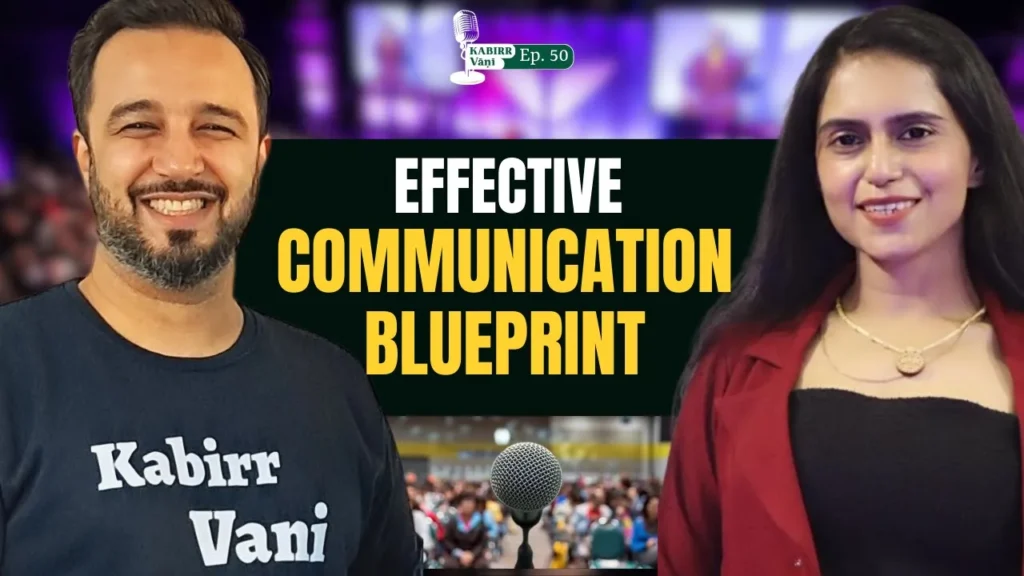
A widespread misconception is equating communication with English. But communication, at its core, is the art of expressing thoughts and emotions clearly. Whether you are requesting support from a colleague, addressing your manager, or simply sharing a personal story, your tone, intention, and empathy matter more than your grammar or accent. Effective communication is being truthful yet kind. The purpose is to inspire and not harm.
Words alone don’t carry meaning — delivery shapes perception. You can criticize someone gently and they may accept it with a smile, or compliment them insensitively and still offend them. This highlights why tone, pitch, and articulation are crucial parts of communication. One effective practice is thought filtration — training your mind to process emotions before speaking. Techniques like journaling, daily articulation drills, or using frameworks such as FAN (Feeling, Anecdote, Tie-back) can refine your clarity and impact.
Confidence often matters more than perfect vocabulary. Many professionals hesitate to speak because they fear mistakes. Anamika stresses that acceptance is the first step — acknowledging what you don’t know, and practicing consistently to grow. Acceptance leads to excellence. Admitting “I don’t know this” creates space to learn. Practice builds fluency. Regular articulation exercises, mirror speaking, or impromptu conversations can rapidly strengthen confidence. Empathy sustains growth because communication is not just output, it’s about making others feel heard.
Anamika highlights how people often associate an accent with intelligence. However, an accent doesn’t define your ability to communicate effectively. In fact, overusing accents can signal insecurity rather than confidence. True authority in communication comes from authentic voice, clarity, and empathy, not borrowed tones.
From asking for promotions to handling difficult conversations, communication is the foundation of career growth. Anamika suggests using frameworks like the Sandwich Method (positive–concern–positive) or SCQA (Situation, Complication, Question, Answer) to make workplace communication structured, respectful, and solution-focused. Whether it’s negotiating incentives, giving feedback, or resolving team conflicts, effective communication helps build trust and leadership presence.
One of the most unique perspectives shared is the connection between manifestation practices and communication skills. Visualization, affirmations, and positive self-talk not only build inner confidence but also shape how you express yourself externally. When you visualize yourself confidently addressing an audience, presenting in a boardroom, or leading a conversation, your subconscious begins to align with that reality. Over time, your external communication mirrors your internal belief.
Even in the digital age, email communication remains one of the most important professional skills. According to Anamika, writing impactful emails requires three essentials: a strong subject line that is clear, precise, and attention-grabbing; a professional greeting that addresses the recipient respectfully and correctly; and a structured body that states the problem, elaborates briefly, and outlines the desired outcome. Using tools like Grammarly and practicing concise writing can significantly elevate your written communication.
At its heart, communication is not about proving intelligence — it is about connection. Whether speaking to a colleague, a client, or a street vendor, adapting your language with empathy ensures respect and trust. True communication blends clarity, confidence, and compassion. It’s not about speaking the most; it’s about being understood and remembered.
From overcoming the myth of accents to mastering workplace conversations, the insights shared in this podcast reveal that communication is a life skill that shapes every success. It’s not about perfection, but about authenticity, empathy, and the courage to express yourself. As Anamika Shukla beautifully sums up: Communication is not just about words, it is about presence, intention, and impact.
Listen to the Full Podcast
You can catch the full conversation with Communication Coach Anamika Shukla on the Kabir Vani Podcast, available on Spotify, Apple Podcasts, and Amazon Prime Music.